




Quick Verdict: POF is a legitimate, genuinely busy dating app that still lets you send messages without paying a cent — and that alone makes it worth a look. But the profile quality is uneven, the free experience is cluttered with ads and upsells, and the volume of low-effort messages can be exhausting. This POF review lands on "good for casual, budget-conscious daters in mid-size and large US cities" and "skip it if you want a polished, filtered, marriage-track experience."
Plenty of Fish launched back in 2003, long before swiping existed, and it's now owned by the same corporate parent as several other big dating brands. It has grown into one of the largest free-to-message platforms in the world, with users concentrated in the United States, Canada, the UK and Australia, and it operates in more than a dozen languages. Yes, it's fully available across the USA — including smaller metro areas where newer apps often feel empty. Lovezoid's review team spent several weeks running paid and unpaid accounts across three different US states to see what actually happens once you're inside.
Want the short version? Registration is free and takes under ten minutes — you can test the message volume yourself before deciding whether any of this is worth paying for.
What It Actually Feels Like Inside POF Day to Day
Ever signed up for a dating app and heard nothing back for a week? That's not the problem here. Within the first 48 hours on a female test profile in a mid-size Midwestern city, we received 61 messages. On the male test profile in the same area, we sent 40 openers and got 6 replies. That gap tells you almost everything about how POF works in practice: attention is wildly unequal, and it flows in one direction fast.
The sign-up process is straightforward. Email, password, birthday, gender, location, then a short series of questions about what you're looking for. You'll be asked to verify by email and, in most cases, add a phone number. Then comes the photo upload, and POF is stricter here than it used to be — two of our test photos were rejected for being too far from the camera, and approval took about 20 minutes each time. Once you're through, you can be browsing and messaging in under ten minutes total.
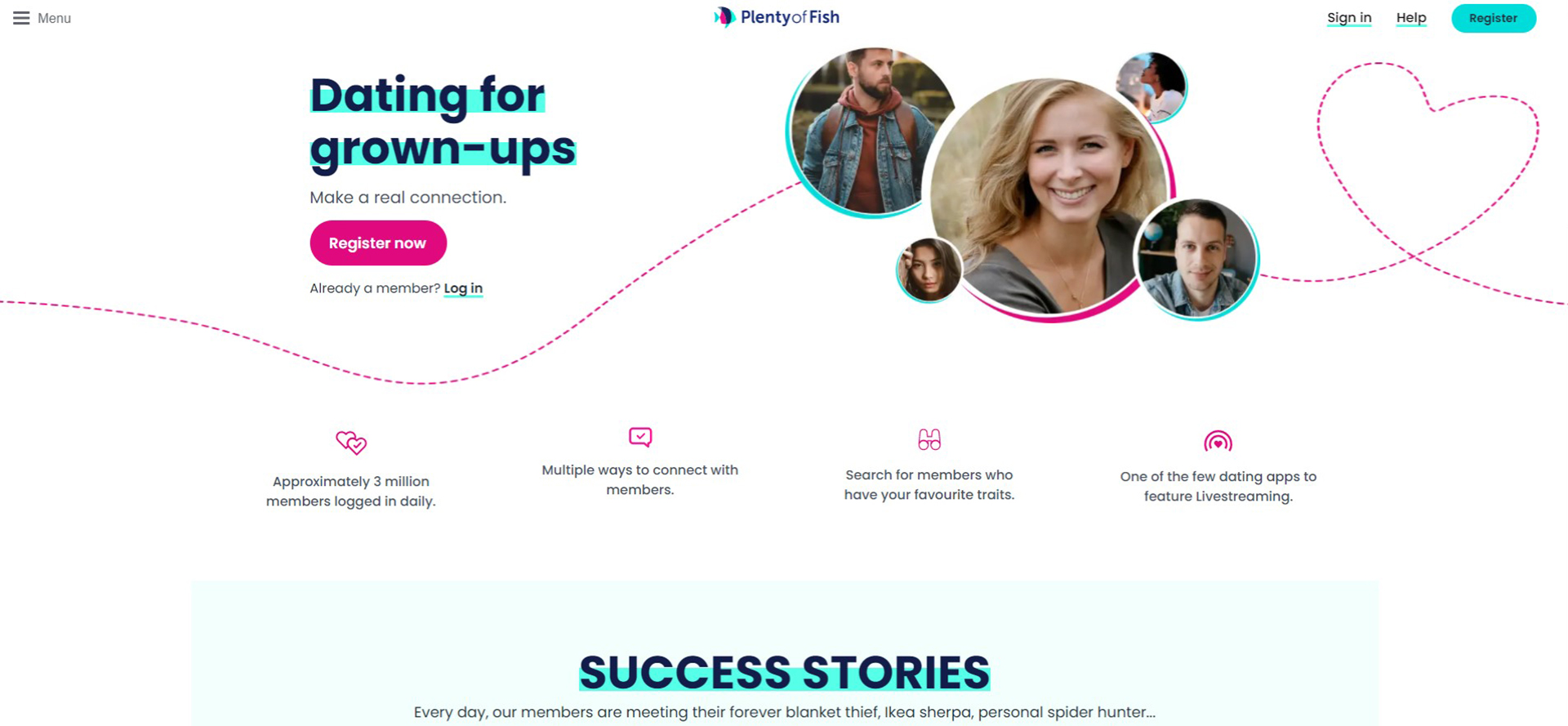
The interface is functional rather than pretty. The app feels dated compared to what most people expect in 2026 — flat buttons, cramped menus, and a bottom navigation bar that mixes chat, "Meet Me," search and your own profile without much logic. But it's fast, it rarely crashes, and everything is where you left it. Our Lovezoid testers found the web version actually easier to use than the app for serious searching, since the desktop layout shows more results per screen and puts filters within reach.
Activity levels are the main selling point. Log in at 9pm on a weekday and you'll see dozens of people marked as recently online in a 25-mile radius. That's true even in cities under 200,000 people, which is where a lot of newer apps run dry. The crowd skews slightly older than swipe-first apps — plenty of people in their late 20s through 40s, with a real presence of users over 50 as well. If your priority is meeting singles in the 50-plus bracket, POF has more of them than you'd guess, though it doesn't cater to them specifically.
Now the honest frustrations. Profile quality is all over the place. Roughly a third of the profiles we clicked had a single photo and one line of text — sometimes just "ask me." Blurry mirror shots, group photos where you can't tell who's who, and abandoned accounts from years ago all show up in results. POF does show a "last online" indicator, which helps, but you'll still waste time on ghost accounts.
Then there are the ads. On a free account, banner ads sit at the bottom of the screen and full-screen interstitials appear when you switch tabs. Two or three times a session, we got hit with an upgrade prompt covering the entire screen. It's not a dealbreaker, but it makes the app feel cheap in a way that a $3-a-month subscription would fix.
The message inbox is the other thing to prepare for. Because messaging is free, the volume is enormous for women and for anyone in a high-demand category. Most of it is "hey," "hi beautiful," or something considerably less printable. POF has added filters that push likely-spam messages into a separate folder, and they help, but the signal-to-noise ratio is still the single biggest complaint we'd make about the experience.
The Features Driving All That Message Volume
POF is built around search rather than swiping, which is genuinely different from most apps and is the reason a certain type of user sticks with it. Here's what you actually get to work with:
- Advanced Search — filter by age, distance, height, body type, education, smoking, drinking, whether they have kids, and whether they want kids. This is the strongest feature on the platform and it's mostly free. You can also sort results by newest members, which matters because new users reply far more often.
- Meet Me — the swipe-style module. Yes/no on a photo, mutual yes opens a chat. It's fine, but shallow compared to search.
- Chemistry Predictor — a long personality questionnaire (it took us about 12 minutes) that assigns you traits like self-confidence, family orientation and openness, then suggests matches. In testing, the suggestions were only loosely better than plain search results. Treat it as a bonus, not the core.
- Spark — you highlight a specific line from someone's profile when you message them, so your opener has context. This one genuinely improved our reply rate on the male test profile, roughly doubling it from a plain "hey."
- Live streaming — users broadcast video and others watch, comment and send virtual gifts bought with coins. It's the most divisive feature on POF. Some people love it; our testers found it a distraction that pulls attention away from actual matching.
- Ultra Match — a daily batch of suggested profiles based on your stated preferences and behavior. Decent quality, but it's a paid perk.
Communication is where POF differs most from the norm. Anyone can message anyone for free, no match required. That's a huge advantage if you're the one initiating, and a genuine burden if you're the one receiving. There's no video calling built in, which feels like an oversight now — you'll be moving to another app for that. Voice notes exist in chat and work fine.
The mobile apps are on both the App Store and Google Play and carry millions of combined reviews. Ratings hover in the low-to-mid 3s, which is fair. Performance is solid; design is not. Push notifications are aggressive by default, and we recommend turning most of them off in settings within the first day.
One annoyance worth naming: the search filters reset more often than they should. Set your criteria, tap into a profile, come back, and sometimes you're looking at default results again. It's the kind of small bug that has apparently existed for years. If you prefer a more question-driven approach to compatibility, POF's matching will feel thin by comparison.
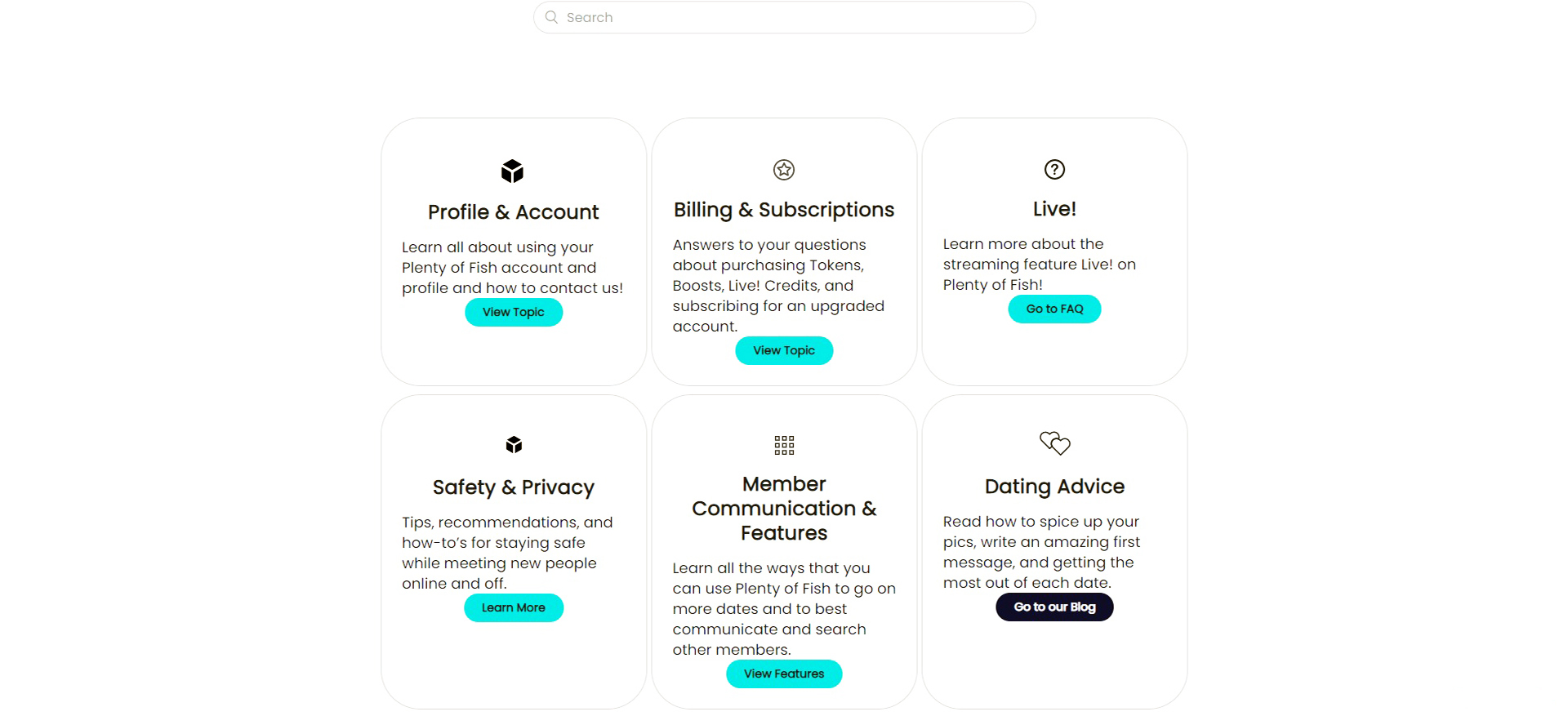
Still curious? A free POF account gets you search and unlimited messaging — that's enough to judge whether your area has the right crowd before spending anything.
Where Your Money Goes on a POF Subscription
This is the section that decides it for most people, so let's be precise. POF's core function — finding people and talking to them — is free. That is unusual and it's the platform's biggest structural advantage. Premium buys convenience and information, not access.
Approximate US pricing at the time of our testing:
- 3 months — around $38.99 total, roughly $13 per month
- 6 months — around $59.99 total, roughly $10 per month
- 12 months — around $89.99 total, roughly $7.50 per month
Prices shift with promotions and by region, and POF runs discount offers fairly often, so the number you see at checkout may be lower. There's also a separate coin system for virtual gifts and profile boosts, purchased in packs — that's a side economy and easy to ignore.
What premium actually gives you: no ads, extended profiles with more detail, the ability to see who viewed you and when, read receipts on your sent messages, priority placement in search results, unlimited Ultra Match, and the ability to see whether someone has already liked you.
Is it worth it? Our honest take is that it depends entirely on which side of the message imbalance you're on. If you're getting flooded with messages already, premium adds almost nothing you need — save your money. If you're sending messages and getting silence, the priority placement and the "who liked you" list have real value, because they cut down guesswork. Read receipts alone changed how we used the app: knowing a message was read and ignored is annoying but useful, and it stopped us from sending pointless follow-ups.
The ad removal deserves its own mention. On a free account, the ads are frequent enough that some users pay purely to get rid of them. That's a slightly cynical business model, but at $7.50 a month on the annual plan, it's cheap compared with most dating subscriptions.
Who should pay: men in competitive urban markets, anyone over 40 who wants to be seen by the right age bracket, and people who plan to use the app daily for a couple of months. Who shouldn't: casual browsers, anyone receiving plenty of inbound attention, and anyone testing whether their area has enough active users. Start free, always. If POF turns out not to suit you, the comparison table above lists options with different pricing structures.
Safety, Verification and Whether POF Is Legitimate
POF is not a scam. It's a long-established company under a major corporate owner, it's been operating for over two decades, it processes payments through Apple, Google and standard card processors, and there's no pattern of fake billing complaints. If your question is "will I get ripped off just by signing up," the answer is no.
The more useful question is how many real people you'll meet versus fakes. Here's our honest count: on our female test profile, about 1 in 12 incoming messages looked like a bot or scam attempt — usually an immediate push to move to another messaging app, or a suspiciously polished photo paired with broken English. On the male test profile, unsolicited contact from likely fake accounts was less frequent but still present, roughly one every couple of days.
That's not great, but it's not unusual for a platform with free messaging. Free messaging always attracts spam. POF does moderate — several accounts we reported disappeared within 24 to 48 hours, which is faster than we expected. The spam filter folder catches a decent share automatically, and image moderation on upload appears genuinely active.
Verification is the weak spot. POF does not require photo verification for everyone, and there's no prominent verified badge system that a user can check at a glance. Email and phone verification is standard, which stops the laziest fakes but not a determined one. Our Lovezoid team would rate verification here as below what we'd like to see in 2026 — the burden of judging authenticity sits with you.
Privacy controls are reasonable. You can hide your profile from search, block and report users with two taps, control who can message you based on their criteria, and choose whether your gender and other details display publicly. You can also delete your account outright from settings, and in our test the profile stopped appearing in searches immediately. Location shows as a city or distance, never as a precise pin.
Practical safety habits still apply. Keep conversations on the platform until you're comfortable. Do a quick reverse image search on photos that look too professional. Never send money, gift cards or crypto to anyone you met online — not once, not for an emergency, not ever. And be wary of anyone who refuses a short video call before meeting. These rules matter on any platform, whether you're using a swipe-based app, a large international network, or something built around a very different kind of arrangement.
Known complaints worth flagging: users occasionally report being shadow-limited or having accounts suspended without a clear reason, usually after multiple reports from other users. Appeals go through support and responses can take days. Auto-renewal is also a common gripe — subscriptions renew by default, so if you buy a plan, set a calendar reminder to cancel before the term ends.
Final Verdict on POF
POF earns a solid but not glowing score from us — call it a 3.5 out of 5. The free messaging model, the depth of the search filters and the sheer number of active users in mid-size American cities are real, meaningful advantages that most competitors don't offer. The dated interface, the ad load, the inconsistent profile quality and the weak verification are just as real.
Use POF if you're comfortable doing your own filtering, you live somewhere newer apps feel empty, you want to message people without paying, or you're re-entering dating after a break and want volume rather than curation. It suits practical, patient daters in their late 20s through 50s especially well.
Look elsewhere if you want photo-verified profiles as standard, a modern polished app, deep compatibility questionnaires, or a low-volume high-quality inbox. Those things exist, just not here.
Since registration costs nothing and unlimited messaging is included on the free tier, there's very little reason not to test it for a week or two in your own area — that's the only honest way to know if the local crowd is right for you. And if it isn't, the comparison table above has alternatives worth checking before you spend money anywhere.
FAQ
Are the profiles on big free dating sites real, or is it mostly bots and scammers?
Most profiles are real people, but free platforms with open sign-up attract more fakes than paid ones because there's no credit card barrier. Expect to run into a few catfish accounts, romance scammers, and abandoned profiles that haven't logged in for months. Red flags: model-quality photos, immediate requests to move to text or a messaging app, sob stories about money, and refusal to video chat.
How much does it actually cost per month if I upgrade?
Paid tiers on large free-to-use dating platforms typically run about $20–$40 for one month, dropping to roughly $10–$20 per month if you commit to three or six months. Extras like profile boosts, seeing who read your message, or highlighted messages are often sold separately on top of that. Subscriptions usually auto-renew, so cancel through your app store or account settings before the renewal date if you don't want another charge.
Free mainstream apps vs paid niche sites — which one actually gets better dates?
Free mainstream platforms give you far more volume, while paid niche sites give you fewer but more filtered matches. If you live in a mid-sized or large U.S. city and just want more first dates, volume usually wins. If you have a specific must-have — faith, age range, marriage intent, a particular lifestyle — a specialized platform saves you from screening hundreds of mismatched profiles.
Can I really use it without paying anything, or do the free features make it useless?
Yes, you can genuinely message and meet people without paying, which is the main reason these platforms stay popular. The catch is that unpaid accounts get lower visibility, message limits, and no read receipts, so your inbox may feel one-sided. Women often get flooded with low-effort messages and men often get ignored — a detailed profile and a specific opening line matter more than any upgrade.
Do people on these sites want relationships, or is it all hookups?
Both, and that mix is the biggest source of frustration for users. Free, high-volume platforms attract everyone from people looking for marriage to people looking for tonight, so you have to state your intent clearly in your profile and ask early in the conversation. If you only want something serious, expect to filter out a fair number of people in the first few messages — that's normal, not a sign the platform is broken.