


The biggest mistake people make with Positive Singles is signing up, filling out three lines of a profile, sending a handful of winks, and then concluding the site is dead. It isn't dead — but it is a site where free accounts can't start conversations, and where a thin profile gets ignored. This Positive Singles review walks through the whole journey the way we experienced it, stage by stage, so you know exactly where the walls are and how to get past them (or decide it's not worth the effort).
Quick verdict: Positive Singles is a legitimate, long-running niche site that does one thing well — it removes the "when do I tell them?" conversation for people living with herpes, HPV, HIV, hepatitis, or another STD. It's best for singles in mid-sized and large US metros who want a real relationship and are willing to pay for a month to actually talk to people. Skip it if you live somewhere rural, if you want free messaging, or if you're only after quick hookups — the local pool thins out fast and the paywall is strict.
Worth trying with a free account first — registration costs nothing and you'll see your local numbers within ten minutes.
What Is Positive Singles?
Positive Singles launched back in 2001 and is one of the oldest STD-positive dating communities still running. It's built for people who have tested positive for a sexually transmitted infection and are tired of the disclosure conversation going badly on mainstream apps. The site claims well over 1.2 million registered members globally, with the United States making up the largest share by a wide margin. It's fully available across the USA, on desktop plus Android and iOS apps, and it's open to anyone 18 or older. Along with the usual dating features, it runs forums, blogs, and access to STD counselors — which is unusual for a dating platform and a big part of why people stay even when they aren't actively dating.
Getting Started: How the Signup Actually Goes
Registration took our Lovezoid review team about four minutes to get to a usable state, and closer to twenty-five to build a profile we'd actually respond to ourselves. The basics are standard: email, password, gender, age, location, what you're looking for.
Then comes the part that makes this site different — you pick your status from a dropdown list that includes:
- HSV-1 and HSV-2 (with oral vs. genital options, plus "not sure which type")
- HPV
- HIV
- Hepatitis B and Hepatitis C
- Chlamydia, gonorrhea, syphilis, thrush, or "other STD"
You can also mark yourself as negative or "prefer not to say," which some members use when they're supportive partners rather than positive themselves. That flexibility is good, though it also means a slice of the member base isn't in the same boat as you — worth remembering when you filter.
The writing sections are generous. The headline caps at 70 characters, the "about me" gives you a full 2,000 characters, and there's an 80-character box for describing your ideal match. You can add astrological sign, music taste, drinking and smoking habits, and — this one surprised me — which STD types you're open to in a partner. That last filter is genuinely useful and I haven't seen it handled this directly anywhere else.
Verification is where things get uneven. You can upload a photo (up to 26 images, which is a lot), confirm your email, and submit a readable government ID to get a verified badge. The problem: ID verification is optional. Plenty of active profiles don't have it. Our team submitted an ID and got approved within about 24 hours, so the system works — it's just not enforced. If you want the confidence of talking only to ID-verified members, you'll be filtering out a large chunk of the site.
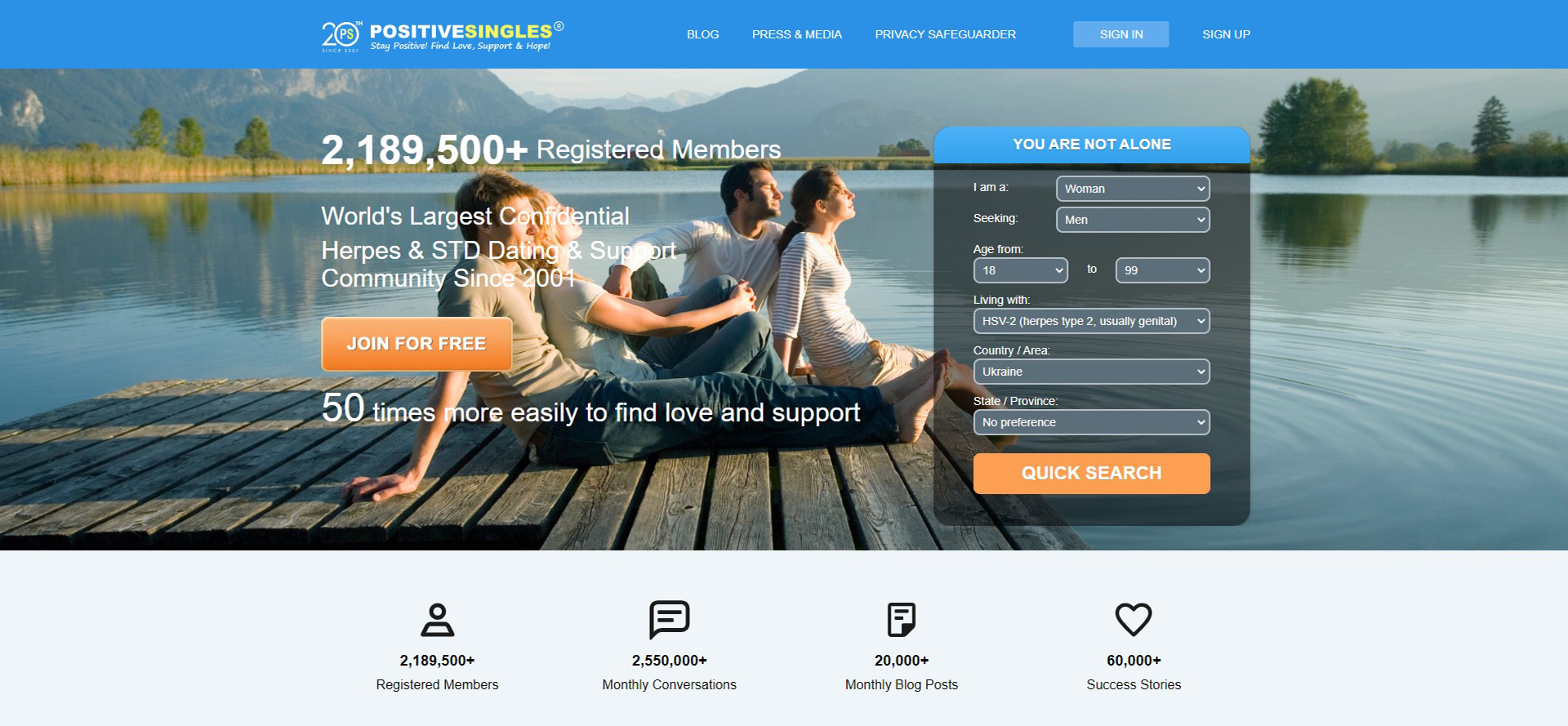
One annoyance right out of the gate: the upgrade prompts start almost immediately. Before we'd even finished the profile, there was a banner offering premium. It's not aggressive enough to be a dealbreaker, but it sets the tone — this is a site that wants your card details early.
Who You'll Actually Find When You Start Browsing
Browsing is free, and this is where you should spend your first session before spending a dime. Search lets you set age range, distance, gender, relationship goals, and STD type. It's decent, not deep — you can't filter by "online in the last 24 hours" as a hard requirement, which would have saved us a lot of time.
Profile quality was better than we expected. Because the site attracts people who've already had hard conversations about their health, a lot of members write honestly and at length. We read profiles that explained diagnosis timelines, treatment, and what they wanted from a partner in plain language. That's rare in online dating and it makes screening faster.
Activity levels depend entirely on where you live. Here's roughly what we saw during 2026 testing:
- Major metros (New York, LA, Chicago, Houston, Atlanta): hundreds of profiles within 50 miles, dozens active in the past week
- Mid-sized cities: 40–120 profiles in range, with maybe a dozen recently active
- Rural areas and small states: often under 20 within 100 miles, many of them logged out for months
If you're in a dense area, the numbers hold up. If you're not, be honest with yourself before paying. Members in big markets have the easiest time — a search around meeting people in New York City returned more active accounts in one afternoon than some entire states did.
The dead-profile problem is real. Positive Singles doesn't clearly archive inactive accounts, so browsing mixes people who logged in this morning with people who last visited in 2019. You have to open a profile to see the last-active date, which slows everything down. Is it worth clicking through fifty profiles to find eight live ones? In a big city, yes. Elsewhere, that math gets rough fast.
Bots and scams: I'd call the level low-to-moderate. Over several weeks we got two messages that read like scripted romance-scam openers (both pushing to move to email immediately) and one obviously fake profile with stock-photo images. We reported all three; two were gone within a few days. That's better handling than a lot of niche sites, but it's not zero risk. The usual rules apply — no money, no off-site payment apps, video chat before meeting.
Is Contacting People Free on Positive Singles?
Short answer: no, not in any meaningful way. This is the single most important thing to understand before you judge the site.
What free members can do:
- Reply to messages sent by paying members
- Send winks to show interest
- Search by username, plus use basic filters
- Upload up to 26 photos and request access to private albums
- Post and comment in the forums and blogs
What free members cannot do: start a conversation. That's it, that's the wall. You can wink at someone all day, but if they're also on a free account, neither of you can write first. Two free users can stare at each other indefinitely — which is exactly why so many people think the site is empty.
The forums are the genuine workaround. They're active, moderated, and free to post in, and they're the one place where free members can have real back-and-forth conversations. During testing, our most useful interactions came from forum threads about disclosure and dating anxiety, not from the dating features. Some people clearly treat the community side as the main draw and the matching as secondary — this shares something with faith-based platforms where shared values do the matching more than any algorithm does.
There's also a chatroom, a swipe-style match game, and a "first date" question feature that pairs you with people who answered similarly. The first-date questions are a fun icebreaker; the swipe game feels tacked on and gives you very little information before you decide.
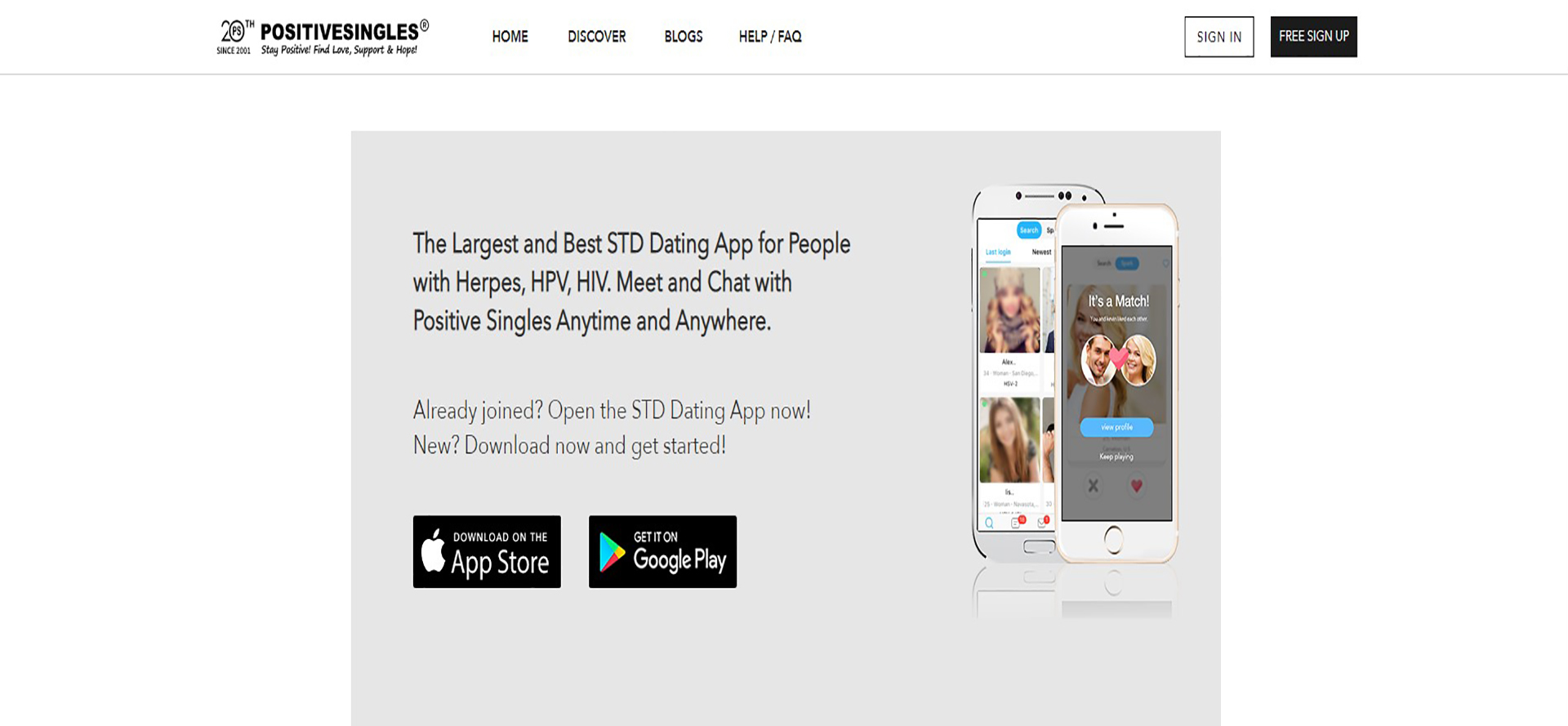
The mobile apps (Android and iOS) mirror most of the desktop experience, with two exceptions: the STD health services section and the forums aren't fully available in the app. That's a strange omission given the forums are the best free feature. The app does let you lock it behind a password, which matters a lot on a platform where a stray notification could out your health status to someone looking over your shoulder. Performance-wise it's functional but dated — slower loading, a cramped message view, and occasional need to refresh to see new replies.
After You Pay: What Premium Buys and Whether It Pays Off
Premium is where Positive Singles becomes a working dating site. Pricing in the USA at time of writing:
- 1 month — $29.95 (plus 10 bonus days)
- 3 months — $59.95, about $20/month (plus 1 bonus month)
- 6 months — $95.95, about $16/month (plus 2 bonus months)
There are no promo codes, just those bonus-time offers, which are effectively a discount if you were going to stay anyway. The one-month plan is the honest test — pay once, message hard for five weeks, and see what comes back.
Premium unlocks unlimited messaging, higher search ranking for your profile, advanced features, the quick-exit button, and email or live-chat access to an STD counselor (counselors are also reachable by appointment on weekday evenings). That counseling access is a real, tangible extra — not a gimmick — and for someone recently diagnosed it may be worth more than the dating features.
Our response rate as paying members over three weeks in a large metro: roughly 3 out of 10 first messages got a reply, and about half of those turned into a real conversation. That's respectable for a niche site. Generic openers went nowhere; messages referencing something specific from a profile did far better.
Privacy controls are a strong point. You get private albums with access requests, the app password lock, the quick-exit button, and control over what's visible to non-members. Given how sensitive the subject matter is, this is the area where Positive Singles clearly put in the work.
The complaints we'd take seriously: auto-renewing subscriptions that people forget to cancel (set a calendar reminder the day you subscribe — seriously), stale profiles cluttering search, the ID verification being optional, and the fact that the site occasionally emails you about matches who are barely active. None of this is scam behavior; it's just a site running on aging infrastructure with a billing model designed to keep you subscribed.
Final Verdict on Positive Singles
Use it if: you've been diagnosed with an STD and dread the disclosure conversation, you live in or near a US metro area, you want a serious relationship, and you're okay paying roughly $20–30 for a month to actually talk to people. For that person, this site removes a genuine barrier and the community side has real value even between dates.
Look elsewhere if: you're in a rural area with almost no local members, you refuse to pay for messaging, you want a slick modern app, or you're chasing casual encounters — the tone here leans heavily toward relationships. If you'd rather match on lifestyle than health status, sites built around meeting active, gym-minded partners, connecting over shared beliefs, or simply chatting without a paywall may suit you better. Check the comparison table above for options.
Our Lovezoid rating lands solidly in the "good, with caveats" range. Positive Singles is legit, not a scam, and it does something no general-purpose app does well. It's held back by a hard messaging paywall, dated apps, and dead profiles in search. As of 2026 it's still the most established place of its kind in the USA, and the Lovezoid team would recommend it to the right person without hesitation.
Make a free account, check how many active members are within your radius, spend an evening in the forums, and only then decide whether that first month is worth it. Registration costs nothing, and ten minutes will tell you more than any review can.
FAQ
How private is my health status on an STD-positive dating site?
On specialized platforms for people with herpes, HIV, HPV or other STIs, your diagnosis is only as private as the profile you build. Most niche sites let you blur or restrict photos, hide your profile from search engines, and skip your real name — but nothing stops another member from screenshotting your page. The safest approach is to use a nickname, keep identifying details (employer, hometown, kids' names) out of your bio, and reserve your clearest photos for private album access you grant one person at a time.
What are the chances the profiles are real and not bots or scammers?
Most active profiles on established STI-focused platforms are real, but these communities attract a specific type of scammer who knows members feel isolated and may move fast emotionally. Warning signs are the usual ones: a model-quality photo, an immediate push to move to text or email, a sudden financial emergency, or someone who never mentions their own diagnosis. Also expect a share of dormant accounts — niche sites are smaller, so profiles that haven't logged in for a year still show up in browsing.
How much does membership really cost once the free features run out?
Expect roughly $25–$35 per month on a one-month plan, dropping to around $12–$20 per month if you commit to three or six months upfront. Free accounts on these sites usually let you create a profile, browse and receive interest notifications, but reading or sending messages is almost always paywalled. Check whether the plan auto-renews — most do, and you have to cancel manually in your account settings, not just delete the app.
Is it worth paying for a niche STI site when mainstream apps are free?
It depends on how much the disclosure conversation weighs on you. The real value of a specialized platform isn't a bigger pool — it's smaller — but it removes the moment where you have to explain your diagnosis and brace for rejection. Many people use both: mainstream apps for volume, a niche site for conversations where the hardest part is already handled. If you live in a rural area, the niche site may have very few local members, so test the free browsing before you pay.
How long does it usually take to get matches or a first date?
Plan on weeks rather than days, especially outside major metro areas. Because the member base is a fraction of the size of general apps, activity is slower and you may need to widen your distance filter to 100+ miles or be open to starting online. Men typically report needing to send more first messages than women, and profiles with a real photo and a few honest sentences about your diagnosis and lifestyle get noticeably more replies than blank or text-only pages.
What should I keep in mind about safety when meeting someone from a platform like this?
Treat it like any other online date, plus one extra layer: don't assume shared diagnosis means shared risk. Two people can be "positive" for entirely different infections, so keep having the protection and testing conversation before intimacy. For the meetup itself, video chat first, pick a public place, tell a friend where you'll be, and be cautious about anyone pressuring you to skip these steps or asking you to prove your status with medical documents.