What Is Casual Dating?

Casual dating is a romantic connection where two people date, spend time together, and enjoy each other's company without committing to a long-term future. There's no plan for marriage, moving in, or kids — just genuine interest, dates, and honest boundaries. It's different from casual sex, though the two can overlap.
That's the short answer. But "no commitment" doesn't mean "no rules," and this is exactly where most people get it wrong. Below, I'll walk you through how to set up a casual relationship that actually works, what it looks like in real life, and the mistakes that turn something easy into something messy.
If you'd rather learn by doing, the recommended sites in our comparison table are a decent place to start once you finish reading.
How to Set Up Casual Dating the Right Way
Casual dating works best when it's intentional. Not scripted or clinical — intentional. Here's the process I'd recommend to anyone starting out in 2026.
Step 1: Get honest with yourself first
Before you tell anyone else what you want, figure out what you actually want. Ask yourself: am I choosing casual because it fits my life right now, or because I'm scared of being rejected in something serious?
Practical example: Marcus just finished a two-year relationship and started a demanding new job in Chicago. He wants company on weekends but has zero energy for building a future with someone. That's a legitimate reason for casual. Compare that with Dana, who says "casual" out loud but privately hopes her date will fall for her in three weeks. Same word, completely different situation — and only one of them is being honest.
Step 2: Say what you want out loud, early
The single biggest predictor of whether casual dating goes well is whether both people said what they wanted before feelings got tangled. Date two or three is a good window. Not on the first message, not four months in.
What that sounds like: "I'm having a great time with you. I want to be upfront — I'm not looking for anything serious right now, but I'd love to keep seeing you. How does that land for you?"
It feels awkward for about eleven seconds. Then it saves you months.
Step 3: Agree on the actual boundaries
"Casual" means wildly different things to different people. To one person it means exclusive but low-pressure. To another it means seeing three people at once. Nail down specifics: Are you exclusive? Are you sleeping together? Do you text daily or only to make plans? Are you meeting each other's friends?
Example: Priya and Tom decided they'd see each other roughly twice a month, weren't exclusive, and wouldn't do holidays or family events. Boring conversation, zero drama for eight months.

Step 4: Talk about sex separately from everything else
Casual dating and casual sex are not automatically the same thing. Plenty of people date casually for weeks without sleeping together, and plenty of people sleep together without any dating attached. Assume nothing. Have the conversation — including testing, protection, and what happens if either of you is sleeping with other people.
Step 5: Practice discretion
Don't kiss and tell. Your casual partner is trusting you with parts of their life they haven't shared publicly. Telling your group chat the details is a fast way to become someone people warn each other about. (Yes, word travels — especially in smaller cities and tight social circles.)
Step 6: Check in every few weeks
People change. What felt perfect in March can feel limiting by June. A two-minute check-in — "Are you still good with how this is going?" — catches drift before it becomes resentment. Sometimes those check-ins reveal that something casual is growing into more, and that's fine too, as long as you both say it.
Step 7: End it cleanly when it's over
Casual doesn't excuse ghosting. One clear message beats three weeks of vanishing. "I've really enjoyed this, but I'm going to step back" takes ten seconds to write and leaves both of you with dignity.
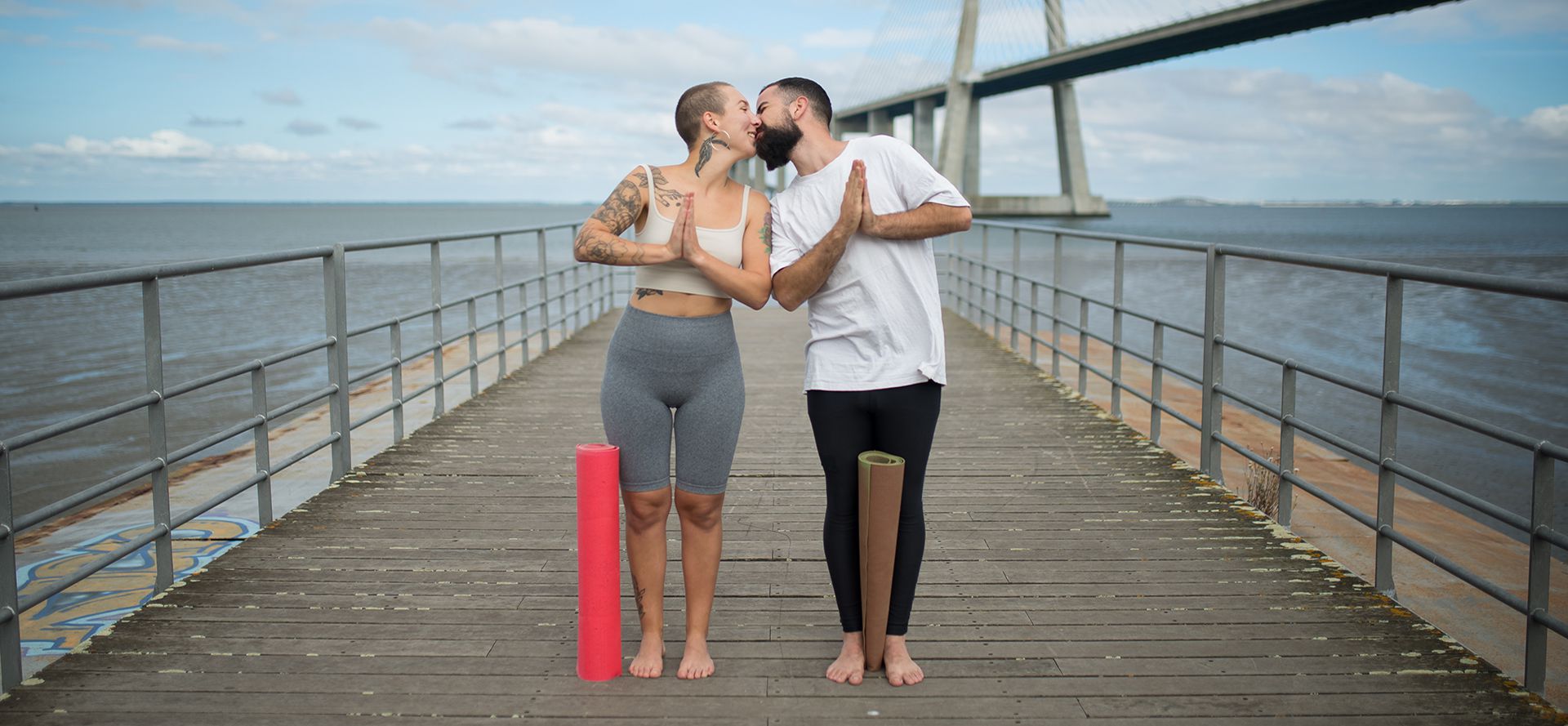
What Casual Dating Actually Looks Like in Real Life
Steps are useful, but examples stick better. Here are three common situations, with the version that works and the version that blows up.
Scenario 1: The post-breakup rebound
The bad version: Jenna ends a four-year relationship in February and starts seeing someone in March. She never mentions she's fresh out of something serious. When she pulls away in April because she's overwhelmed, her date thinks he did something wrong. Both feel bad.
The good version: Same Jenna, different opening. On date two she says, "Full transparency, I got out of a long relationship recently. I'm not looking to jump into anything, but I like spending time with you." Her date knows the terrain. When she needs space, it's expected, not confusing.
Scenario 2: The demanding career
The bad version: A resident physician cancels three dates in a row and sends apology texts at 2 a.m. His date assumes he's losing interest and stops responding.
The good version: He explains the schedule upfront — 70-hour weeks, unpredictable shifts, casual is genuinely all he can offer this year. His date decides if that works. Anyone who's considered what it's really like when your partner works in medicine knows the schedule is the whole story, and honesty about it changes everything. Some people specifically seek out connections with medical professionals and are fine with the tradeoff.
Scenario 3: The "we never defined it" trap
The bad version: Six months of weekly dinners, meeting each other's roommates, weekend trips. Neither one said the word "casual" or "relationship." She assumes they're together. He assumes they're not. The conversation that finally happens is brutal.
The good version: At week three, someone asks the awkward question. They land on casual-but-exclusive, revisit it in two months, and when he decides he wants more, he says so instead of waiting for her to guess.
The pattern is obvious once you see it. Every bad version involves silence.

Why People Enjoy Dating Without Commitment
Casual dating isn't a consolation prize. For a lot of people in the USA right now — especially those juggling grad school, career moves, single parenting, or a recent divorce — it's the most honest option available.
- You get to know someone without pressure. No timeline, no "where is this going" tension on date four. You find out if you actually like each other.
- You have real companionship. Someone to try the new taco place with, someone to text when your team wins. That has value even without a five-year plan.
- You get a breather between serious relationships. Jumping straight from one commitment into another rarely ends well. Casual gives you a middle gear.
- You learn what you want. Dating a few different people teaches you more about your own preferences than a year of self-reflection.
- It fits real schedules. Shift work, travel, caregiving — casual bends where serious relationships often break.
Our team at Lovezoid has noticed that the people happiest with casual arrangements are almost always the ones who chose it deliberately, not the ones who drifted into it. Worth remembering.
If you're curious about where to actually meet people with matching expectations, browsing platforms built for low-pressure connections saves you a lot of mismatched conversations. Preferences vary too — some people prefer communities focused on Black singles where cultural fit comes easier from the start.
Where People Go Wrong With Casual Relationships
Most casual dating failures come down to a handful of repeat mistakes. Here they are, plus why they keep happening.
- Using "casual" as a negotiating tactic. Some people say casual hoping the other person will fall in love and change their mind. It's manipulation with a friendly face, and it almost never works. Say what you actually want.
- Assuming instead of asking. You think you're exclusive. They think you're not. Nobody checked. This is the number one source of casual dating heartbreak, and it's completely preventable with one question.
- Skipping the sex conversation. People avoid it because it's uncomfortable. But awkward for two minutes beats an STI scare or a night where someone felt pressured.
- Letting the relationship drift into a full one without acknowledging it. You're doing laundry at their place and spending Thanksgiving together but still calling it casual. If the behavior changed, the label should too. Talk about it.
- Ignoring your own feelings. Catching feelings in a casual setup isn't a failure — it's human. Pretending you're fine when you're not just prolongs the hurt. Say it, hear their answer, then decide.
- Ghosting instead of ending things. Casual means low commitment, not zero decency. Send the message.
- Being indiscreet. Sharing private details, posting hints online, telling mutual friends things they didn't need to know. It burns trust fast.
Why do these keep happening? Mostly because the honest conversation feels riskier than silence. It isn't. Silence just delays the cost and adds interest.
The Short Version and Your Next Move
Casual dating means enjoying someone's company — dates, conversation, sometimes intimacy — without building toward a shared future. It works when both people say what they want, agree on specific boundaries, respect each other's privacy, check in periodically, and end things with a real message instead of a disappearing act. It fails when people assume, avoid the uncomfortable talk, or use "casual" to hide what they're really hoping for.
Here's what I'd do this week: decide honestly whether casual actually fits your life, then write down the two or three boundaries that matter most to you. That way, when the conversation comes, you already know your answers. And if you're ready to meet people who want the same thing you do, start with platforms where expectations are clear from the first message — it beats guessing every time. You've got this.
FAQ
What's the difference between casual dating and a hookup?
A hookup is usually a one-time or purely physical encounter, while casual dating means you actually see each other repeatedly — dinner, drinks, texting — without agreeing to be exclusive or heading toward commitment. The overlap is what confuses people, so the only reliable way to know which one you're in is to ask directly by the second or third date. If someone dodges that conversation twice, treat that as your answer.
Casual dating vs. friends with benefits — which one am I actually in?
Casual dating includes real dates and getting to know each other; friends with benefits is a sexual arrangement between people who already have a platonic connection and usually skip the dating part. A simple test: if you'd feel weird being seen together at a family barbecue but fine texting at 11 p.m., you're closer to FWB. Neither is better, but assuming you're in one while your partner thinks it's the other is where most people get hurt.
How much does casual dating actually cost per month?
Expect roughly $20–$40 a month if you pay for a platform, plus the real expense — dates. Casual dating still means drinks, coffee, or dinner, so most people in U.S. cities spend $100–$300 monthly once they're actively meeting two or three people. Free tiers on mainstream apps work fine for browsing, but they typically limit likes and hide who's already interested in you, which slows things down considerably.
Is it safe to meet someone for a casual date from a dating platform?
Generally yes, if you keep the first meeting public and short. Do a quick reverse image search on their photos, ask for a two-minute video call before meeting, tell one friend where you're going, and arrange your own transportation both ways. The most common problems aren't violent — they're catfishing, someone being married, or pressure to move to a private location fast, and all three show up before you ever leave the bar.
Can casual dating turn into a real relationship, or am I wasting my time?
It happens, but you shouldn't count on it as a strategy. Plenty of couples started casual and drifted into exclusivity, yet if you're secretly hoping to convert someone who has clearly said they don't want commitment, you're usually the one who ends up hurt. Be honest with yourself: if you'd be upset seeing them date someone else this weekend, casual isn't what you actually want.