Christian Dating Rules Sites That Work in the USA
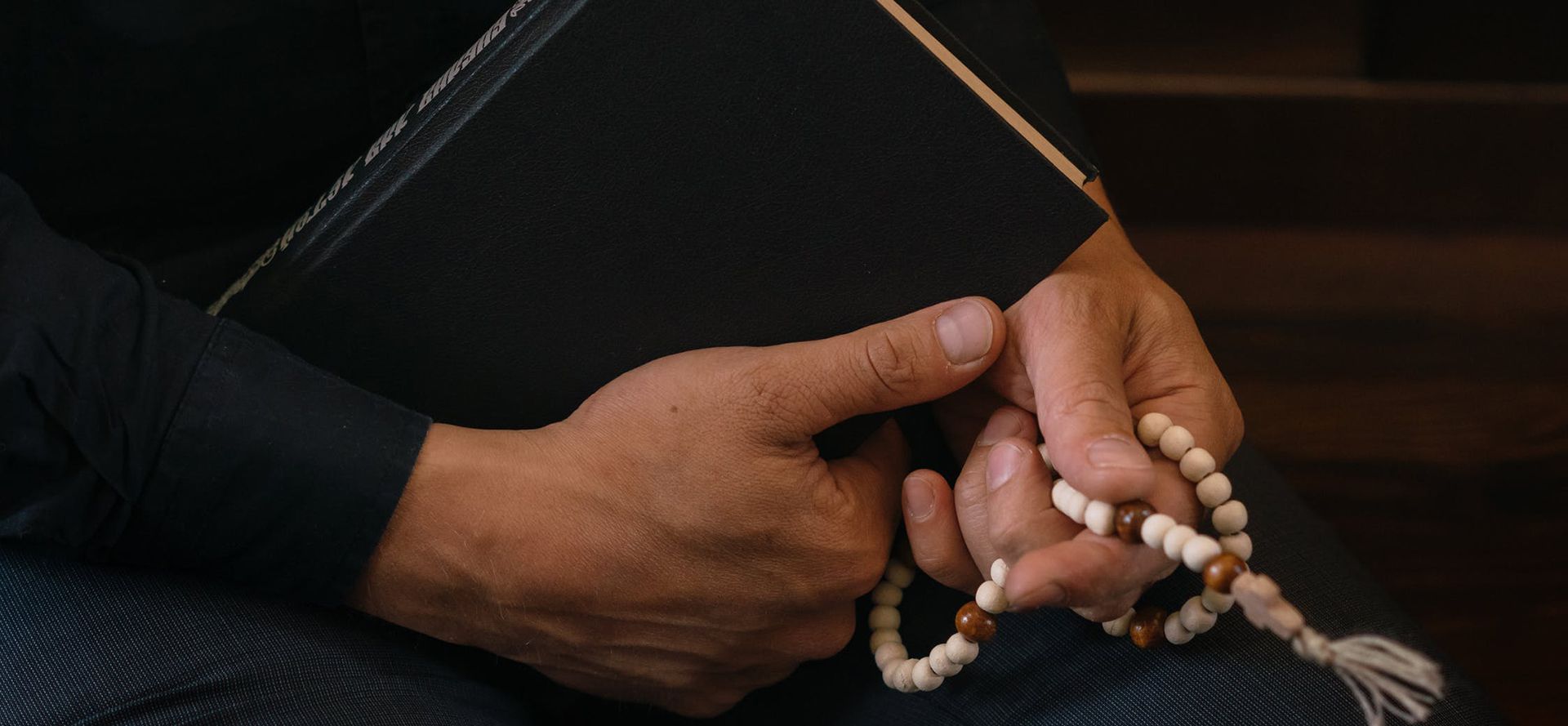
If you want to date by Christian dating rules — faith first, marriage in view, clear physical boundaries — a dedicated faith-based platform will serve you far better than a general swiping app. That's the short answer, and our testing across US platforms keeps confirming it. Our team at Lovezoid spends a lot of time on these sites, and the gap between faith-focused matchmaking and mainstream dating is wider than most people expect.
The good news: there are genuinely solid options for American singles who take their faith seriously, whether you're in a Bible Belt town with three churches on one road or a city where finding another believer at a bar feels statistically unlikely. The comparison table below shows the platforms we tested and ranked, and nearly all of them let you register free, build a profile, and browse local members before paying a cent.
Why Faith-First Sites Outperform Mainstream Apps
On a general dating app, your beliefs are a footnote. Maybe there's a "religion" dropdown you can fill in, maybe your bio mentions church. Everything else about the platform — the photo-first design, the casual tone, the assumption that dating means hooking up first and talking later — pushes against how Christians actually want to date.
Faith-focused platforms flip that. Denomination, church attendance, views on sex before marriage, and whether you want kids are all part of the profile structure, not something you awkwardly bring up on date three. That single design difference saves an enormous amount of wasted time.
It also removes a problem a lot of believers know too well: missionary dating. Meeting someone lovely on a mainstream app, catching feelings, and only later realizing they think your Sunday morning commitment is a quirk you'll grow out of. On the sites in the table above, shared faith is the starting assumption, not a negotiation.
The demographics matter too. In our experience, faith-based platforms in the USA skew a little older than mainstream apps — a lot of members are 28 to 50, plenty are divorced or widowed, and a good number are single parents. These are people who know what they want. Many are getting back out there after a marriage ended and want a partner who shares their values this time around. If you're specifically looking for someone who shares sacramental beliefs, there are also platforms built around Catholic singles where Mass attendance and annulment questions are handled openly rather than avoided.
Geography is the other honest argument. Church-based meeting still works great if you're 24 and attend a large congregation in Dallas or Atlanta with a thriving young adults ministry. It works much less well if you're 38 in Portland, or the only single person your age in a 90-member rural congregation. Online is where the pool actually exists.

What Earned a Spot on Our Christian Dating Rules List
We didn't rank these sites by how nice the homepage looks. Four things decided the order, and the first one carries the most weight.
Real, active members near you. A platform can advertise millions of registrations and still be dead in Nebraska. During our 2026 checks, we created accounts in several metro areas and several smaller markets, then counted how many profiles had logged in within the past week. Sites that only showed activity within 100 miles of major cities dropped in the ranking. The ones that held up in mid-size markets moved up.
Faith detail that goes beyond a checkbox. "Christian" covers Baptists, Pentecostals, Reformed believers, Methodists, non-denominational church members, and plenty more. The stronger platforms let you filter by denomination, church attendance frequency, how central faith is to daily life, and views on physical boundaries. Personally, we prefer sites that ask about boundaries directly in the profile — it's an uncomfortable question that saves a painful conversation later.
Safety and verification. We looked at photo verification, whether support responds to reports within a day or two, how easy it is to block someone, and how aggressively fake accounts get removed. Faith-based sites attract romance scammers because trusting people are easier targets. Platforms that took that seriously earned their place.
Honest pricing. Most quality options in this niche run roughly $20 to $45 a month, dropping to $12 to $20 monthly if you commit to three or six months. What we penalized: hidden auto-renewal, paywalls that hide whether anyone has even messaged you, and "free" sites that turn out to be lead-generation traps.
One more thing we watched: whether the site treats faith as marketing or as substance. A cross in the logo means nothing if the platform's messaging pushes casual encounters. A few sites we tested failed that test badly and aren't on the list.

What Everyday Use Actually Looks Like
The pace here is slower than mainstream apps, and that's on purpose. Instead of a hundred swipes in five minutes, you'll typically get a smaller batch of daily suggestions built around faith compatibility, location, and relationship goals. Some platforms add short questionnaires about theology, family plans, and lifestyle to sharpen matches over time.
Profiles read differently too. You'll see people name their home church, mention the ministry they serve in, list a favorite verse, and say plainly whether they're looking for marriage. Plenty of profiles state "saving sex for marriage" outright. On a mainstream app that line might draw eye-rolls; here it's normal, and often a filter that works in your favor.
Messaging tends to be more substantial. In our testing, first messages on faith-based sites averaged noticeably longer than on general apps — real questions instead of "hey." Conversations often move to a phone or video call within a week, then to coffee after Sunday service or a weekday lunch. Group settings show up a lot in early dates, which fits the accountability piece many believers care about.
Expect faith questions early and directly. How often do you attend? Are you in a small group? What does your prayer life look like? Some people find this intense. Most find it refreshing, because it sorts serious matches from window shoppers within a few exchanges.
One quirk worth knowing: because these communities are smaller, you will run into people you sort of know. Someone from the college ministry you attended in 2016, a friend of your cousin, a guy from the church softball league. (Yes, we've heard from users who matched with someone their pastor had already tried to set them up with.) Small-world moments come with the territory.
Ready to see who's actually out there? Most of our top picks for this niche let you register and browse local profiles for free, so you can judge the member pool before opening your wallet.
Fees, Fake Profiles and Other Honest Warnings
We'll be honest — not every site in this space is legitimate, and faith-based dating attracts a specific kind of predator. The most common pattern in the USA looks like this: an attractive profile, heavy scripture quoting, a story about being a widowed missionary, contractor overseas, or deployed service member. The conversation gets emotionally intense fast, they push to move to a private messaging app within days, and eventually there's a financial crisis. A stuck shipment, a visa fee, a medical bill, a mission trip that needs funding.
Never send money to someone you haven't met. Not once, not a small amount, not as a loan.
Verification is simple and effective. Ask for a live video call early — scammers refuse or endlessly reschedule. Run their photos through a reverse image search. Ask which church they attend and look it up; a real member can name the pastor and the service times without hesitating. Someone who won't answer basic questions about their local congregation while quoting Psalms at you every hour is not who they claim to be.
Other honest frustrations: the member pool is smaller than mainstream apps, so in rural areas you may see the same faces repeatedly. Response rates can be slow because many members check in a few times a week rather than daily. And there's a subset of users who list every doctrinal position as non-negotiable, which makes matching harder than it needs to be.
Watch billing carefully. Auto-renewal is standard across the industry, so note your renewal date, and know that a monthly plan often costs double the per-month rate of a six-month plan. Red flags for the site itself: no working contact page, profiles that all message you within minutes of signup, pressure to pay before you can read a single message, and reviews describing charges after cancellation. Stick to established platforms with a track record — like the ones we ranked — and you avoid most of this.
Last caution: purity-culture baggage runs deep for some American singles, and online dating can bring up shame around past relationships or divorce. Be honest but not confessional in early conversations. Save the heavy history for when trust exists.
Putting Christian Dating Rules Into Practice Your First Week
Start with photos, because they decide whether anyone reads your words. Use four to six: one clear face shot without sunglasses, one full body, one showing something you actually do — hiking, cooking, serving at church, playing with your nieces. Skip group shots where nobody can tell which person you are, and skip the gym mirror selfie.
Then write the profile with specifics. "I love God and my family" describes a hundred million Americans. "I've served in kids' ministry at a non-denominational church in Nashville for six years, I make a mean brisket, and I'm looking for someone to build a marriage with" tells someone whether you fit. Name your denomination, your attendance habits, and your intentions clearly — vague profiles get vague responses. If writing about yourself feels impossible, our guide on writing a profile that gets replies walks through it line by line.
For first messages, reference something concrete from their profile and ask one open question. Two or three sentences is plenty. What consistently flopped in our Lovezoid research: opening with "God told me you're the one," leading with a theology debate, and copy-paste compliments about appearance. What worked: asking about their church's small groups, their favorite thing about their city, or the trip in their third photo.
Set your boundaries before the first date, not during it. Decide in advance what physical limits you're keeping, tell a trusted friend or mentor who you're meeting, and pick public daytime venues for the first two or three meetups. Accountability isn't a mood-killer; it's what keeps good intentions from quietly eroding.
Pace matters. Aim to move from messaging to a call within a week and to a coffee date within two if they're local. Long text-only relationships build fantasy versions of people. And remember that busy schedules cut both ways — dating someone in ministry, med school, or a demanding medical career takes flexibility on both sides. The same holds for connecting with someone older than you, which is more common on faith-based sites than newcomers expect.
One common mistake we see: treating every date as a marriage audition. Getting to know someone and finding out you're not a match isn't failure. It's the process working.
Key Takeaways
- Dedicated faith-based platforms match on denomination, church involvement, and boundaries — mainstream apps simply don't, which is why they underperform for Christian singles in the USA.
- We ranked our picks on verified local activity, faith-specific filters, safety response, and honest pricing (roughly $12–$45 per month depending on plan length).
- The dominant scam in this niche is the overseas "missionary" or deployed soldier asking for money — video call early, verify their church, and never send funds.
- Specific profiles and short, personal first messages get replies; vague spirituality and copy-paste openers get ignored.
Dating by Christian dating rules in 2026 takes patience, but the pool of like-minded singles online is bigger than anything your church directory can offer. Pick a platform from the table above, sign up, finish your profile properly, and see who's nearby — looking costs nothing.
FAQ
How do I know if someone on a Christian dating site is actually a believer?
You don't know from the profile alone — anyone can check a box that says "Christian," and plenty of people on faith-based niche sites are culturally Christian rather than practicing. The fastest filter is asking specific, non-confrontational questions early: where they attend church, how often, whether they're in a small group, and what their faith looked like in the past year. Vague answers like "I'm spiritual" or "I grew up in the church" usually mean faith won't be a shared foundation.
Is it wrong to date someone who isn't a Christian?
Most churches teach against it based on 2 Corinthians 6:14, but the honest answer is that many committed Christians in the USA do date and marry outside the faith. The practical issue isn't judgment — it's that faith shapes money, parenting, Sundays, and how you handle crisis, so unresolved differences tend to surface later, not sooner. If you're going that route, have the hard conversations about church attendance and raising kids before you're emotionally attached.
What are realistic boundaries for physical intimacy while dating?
There's no single verse listing what's allowed, which is why couples need to decide together — before the moment arrives, not during it. Most Christian couples who hold to abstinence set concrete lines in advance (no being alone in a bedroom, no overnight stays, a curfew for date nights) rather than relying on willpower. Expect to fail sometimes and to need honest resets; couples who treat one slip as total failure often abandon their standards entirely.
Are faith-based niche sites worth paying for when mainstream apps are free?
They're worth it mainly if faith compatibility is non-negotiable for you, since paid specialized platforms typically run $20–$45 a month and cut your pool down significantly. The trade-off is real: fewer profiles, but far less time wasted discovering someone has no interest in church. Many people run one niche site plus a mainstream app with faith listed clearly in their profile, which costs less and covers more ground — especially outside major metro areas, where niche member counts get thin.
Why do people on Christian dating platforms seem to rush toward marriage?
Because abstinence plus a strong marriage culture creates real pressure to define things fast, and in some circles a six-month engagement is considered slow. That urgency causes genuine problems — people commit before they've seen each other under stress, handling money, or disagreeing badly. A reasonable pace is intentional but not rushed: date through at least one real conflict and one hard season, and be willing to say "I need more time" without treating it as a failure of faith.
How can I stay safe on faith-based dating sites where people assume everyone is trustworthy?
Shared faith language is one of the most common tools romance scammers use, precisely because it lowers your guard fast. Watch for profiles that quote scripture heavily but avoid video calls, claim to be a missionary or contractor overseas, or move to prayer and "God brought us together" within days — that pattern almost always ends with a money request. Always video chat before meeting, meet first in a public place, tell a friend where you're going, and never send funds to someone you haven't met in person.