Can Casual Dating Turn Into Relationship Sites USA Compared
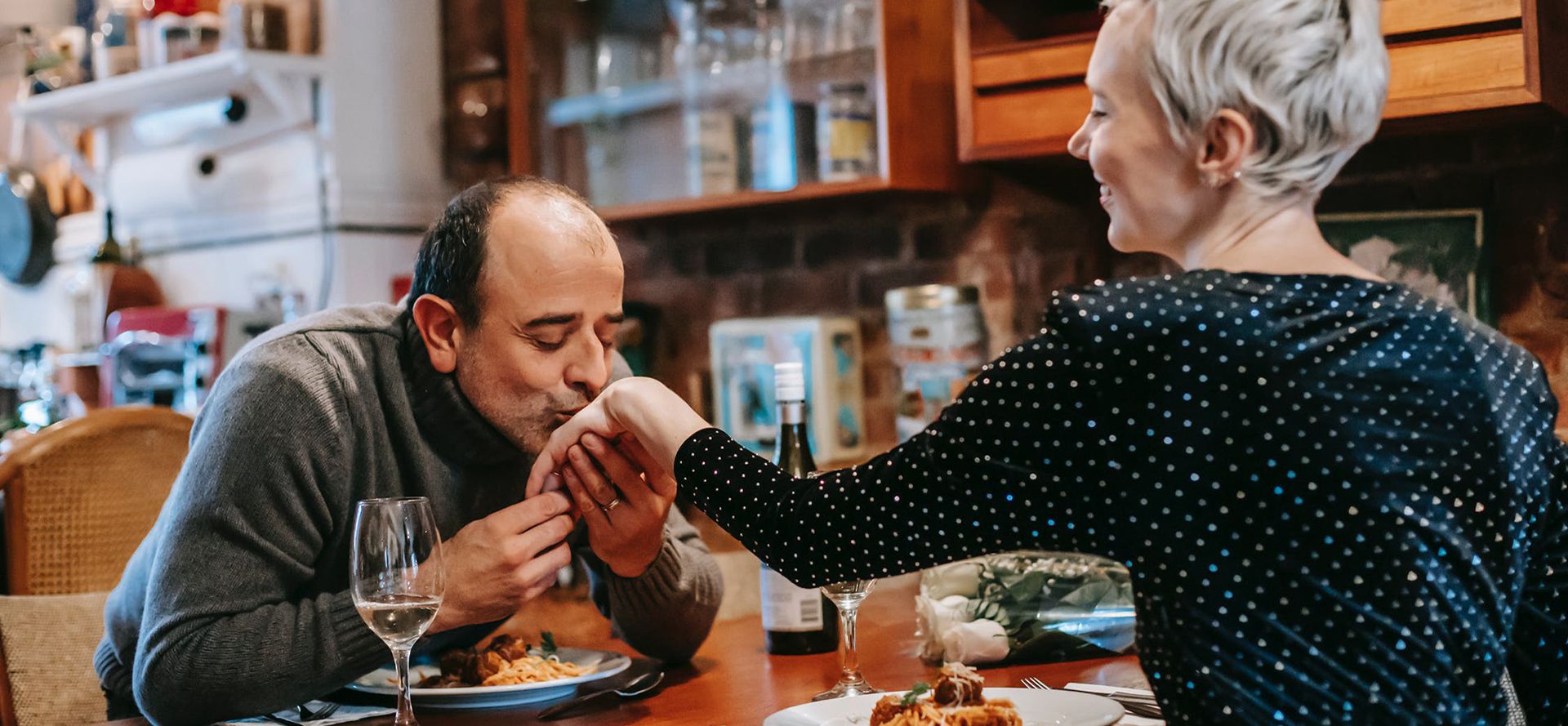
You matched with someone three weeks ago for something light and no-strings, and now you're texting about their sister's wedding. Suddenly you're wondering whether casual dating can turn into a relationship — and whether the app you're using even supports that kind of shift.
Short answer: yes, it happens constantly, and the platform you pick makes a real difference. Our team at Lovezoid has tested the sites that attract people who start casual but stay open to more, and the comparison table above shows the ones that earned a spot. Most let you register and browse profiles for free, so you can check the local user base before spending a dollar.
The comparison table above shows our tested recommendations — start there, then use this guide to work the platform properly.
Your First Ten Minutes On A Casual Dating Site
Sign up, upload one clear photo, and spend the first session just looking. Set your search radius to 25 miles, filter by "recently active," and read ten profiles start to finish. What you're checking is simple: are real people in your city looking for the same open-ended thing you are?
Here's what stands out about this niche compared to standard relationship platforms. Profiles are blunter about intentions — you'll see "seeing where it goes," "no labels for now," "open to more with the right person" — and that honesty is the whole point. On general dating apps, people hide their real intentions behind vague bios. On sites built for low-pressure dating without labels, they announce it.

In our Lovezoid research we ranked platforms on four things, and it's worth knowing them before you commit:
- Real activity — how many profiles logged in within the past 48 hours in mid-sized US metros, not just New York and LA
- Intent clarity — whether the site lets members state if they're open to something serious later
- Safety checks — photo verification, reporting tools, and how fast fake accounts disappear
- Pricing value — what you actually get free versus what's locked behind a paywall
Skip anything that shows you 200 "matches" before you've written a bio. That's a volume trick, not a user base. We'll be honest — not every casual dating site is legitimate, and a few exist purely to bill your card. Stick with established names like the ones in the table above.
Building A Profile That Signals Open-Ended Interest
The mistake almost everyone makes here is picking a side. Write "just looking for fun" and you filter out anyone who might become more. Write "seeking my soulmate" and you scare off the entire user base of a casual platform. The profiles that get the most replies sit right in the middle.
Three concrete steps:
- Photos: four to six of them. One clear face shot, one full-body, one doing something you actually do — hiking, grilling, at a show. No gym mirror selfies as your main image.
- Bio: two or three short sentences. Say what you enjoy, then add one honest line like "not looking to rush anything, but I don't rule things out either."
- Intent field: if the site has one, choose the option closest to "casual, open to more." It quietly does your filtering for you.
Our testing showed profiles with a specific hobby mentioned by name got noticeably more first messages than ones using words like "adventure" or "good vibes." Specifics give people something to reply to. If you want a longer walkthrough, our guide on writing a profile people actually reply to covers openers and photo order in more detail.

Who's on these platforms? In the US, the biggest groups we saw were people 25 to 40 — a lot of them post-divorce, recently relocated for work, or coming off a long relationship and not ready to jump into another. Grad students and shift workers show up heavily too. Very few of them are anti-relationship. They're anti-pressure, which is a different thing entirely.
Breaking The Ice Without Killing The Mood
Message five to eight people your first week, not fifty. Reference one specific thing from their profile, ask one open question, and keep it under three sentences. On casual-focused platforms, expect roughly a 20 to 30 percent reply rate if your profile is complete — much higher than the mainstream app average, because everyone here signed up with clearer intent.
What worked in our tests:
- "That's a Chicago skyline in photo three, right? I just moved back — best late-night food spot?"
- "You mentioned you're not big on planning. Same. What's the last thing you did completely spur of the moment?"
- "Fair warning: I'll argue about that band choice. Coffee sometime?"
What killed conversations: instant compliments about their body, copy-paste openers, and asking "what are you looking for?" in the first message. That last one sounds responsible but reads as an interview question. Bring it up on date two, not message one.
A common concern is whether the profiles are even real. Fair worry. The pattern to watch for: a reply within seconds, flawless photos, and a fast push to move to a different messaging app or a "verification" site that wants your card. Real people take hours to reply and have at least one mediocre photo. Every platform we recommend has in-app reporting — use it, and don't take the conversation off-site in the first day.
You might also wonder why you shouldn't just use a general dating app you already have. Because intent mismatch is the number one reason things fall apart. On a mainstream platform you spend three dates figuring out whether someone wants a spouse or a Tuesday, while on a site built around casual connections that conversation is already half-finished before you meet.
Moving From Messages To A Real First Meeting
Suggest meeting after 15 to 25 messages, or roughly two days of steady conversation. Pick a public spot — a brewery, a coffee shop, a taco place with a patio — and keep it to 60 or 90 minutes. In this niche, short first meets work better because neither person feels locked into a big production.
Etiquette that's specific to casual dating in the US:
- Split the check or trade rounds. Nobody's auditioning for provider duty on date one.
- Don't ask about their ex or their "number." It reads as scorekeeping.
- Say your position out loud, once. "I'm not trying to rush anything, and I'm not opposed to it either" takes eight seconds and prevents a month of guessing.
Safety basics still apply, and they matter more when the vibe is low-commitment. Video chat for five minutes before meeting — it kills catfish instantly. Tell a friend where you're going and share your location. Drive yourself or use a rideshare; don't get picked up at your address on a first meet. And if someone pressures you to skip the public meeting entirely, that's your exit sign.
You don't owe anyone a second date, an explanation, or a longer conversation than you want to have. Say so kindly and move on — this niche runs on people respecting that.
How Often Can Casual Dating Turn Into Relationship Territory
More often than people admit. A large share of long-term US couples describe a starting point that was undefined — hooking up, hanging out, "not really dating." So yes, casual dating can turn into a relationship, but it usually happens when both people were quietly open to it, not because one of them argued the other into it.
Here's the realistic month-one picture from our 2026 testing. You'll match with a handful of people, meet two or three, and click with maybe one. Two of those connections will fade with no drama. That's not failure — that's the normal rate on any platform, and it's why the size and activity of the local user base is the single most important thing to check before paying.
The signs a casual thing is drifting toward serious are pretty consistent:
- You're making plans that have nothing to do with the bedroom — Sunday errands, a friend's birthday
- You text about boring stuff during the workday
- They introduce you to someone in their life by name, not as "a friend"
- One of you gets a small twinge when the other mentions dating someone else
When that happens, name it. Not with a three-hour talk — with one sentence: "I like this more than I expected. Do you want to keep it as-is or see what more looks like?" If they want to keep things open, respect it. Some people genuinely prefer non-exclusive arrangements long term, and that's a real answer, not a rejection.
Choosing for the long run, then. Pick a platform with strong activity in your metro, an intent setting you can update as your goals shift, and transparent pricing — monthly plans you can cancel in two clicks, not annual traps. If after a couple of months you know you want commitment, plenty of members graduate to platforms aimed at committed dating instead. But most of our top picks for this niche handle both mindsets, which is exactly why they ranked.
Key Takeaways
- Casual dating turning into a relationship is common in the US — it works best when both people stayed open instead of one pushing.
- Specialized casual platforms beat general apps here because intent is stated upfront, saving you weeks of guessing.
- Write a middle-ground profile, message a few people well, and meet within a week — short public first dates convert best.
- Verify with a quick video call, keep chats on-site early, and only use established platforms like the ones ranked above.
Pick one site from the table, register free, complete your profile, and see who's active near you — looking costs nothing, and the worst case is you learn what you actually want.
FAQ
How long does casual dating usually last before it either becomes a relationship or ends?
Most casual situations reach a turning point somewhere between two and six months, and the ones that never get defined tend to fade rather than deepen. If you're past six months with no shift in behavior — no meeting friends, no future plans, no daytime dates — that's usually the answer, not a delay. Waiting longer rarely changes the outcome; asking directly does.
What are the actual signs someone casual is starting to catch feelings, versus just enjoying the convenience?
Watch for effort that costs them something: rearranging plans, texting when nothing is being arranged, introducing you to people in their life, or bringing up things weeks in the future. Convenience looks like late-night availability, consistent meetups but no daytime contact, and vagueness about weekends and holidays. Feelings show up in a person's calendar and social circle, not just in how affectionate they are in private.
Is it worth paying for a specialized platform if I want casual dating that could become serious?
It can be worth it, but mostly because paid niche sites tend to attract people who write real profiles and state what they want, which cuts down on mismatched expectations. Expect roughly $20–$40 a month, cheaper per month on three- or six-month plans, and know that free versions usually limit messaging to the point of being frustrating. If you're mainly looking for a relationship, a platform where members state relationship goals openly will save you more time than paying for extra swipes on a mainstream app.
How do I bring up wanting more without scaring them off or losing what we have?
State what you want in one calm sentence and stop talking — no ultimatums, no long build-up, no asking them to define the whole future. Something like "I've realized I'd want something exclusive with you, and I'd rather say it than guess" works because it invites an honest answer instead of pressure. Be prepared for a no; roughly half of these conversations end the arrangement, and that's information you needed anyway.