What is Bisexuality: Myth & Facts About Bisexual People
You've caught yourself attracted to more than one gender, and now you're staring at your phone wondering whether that makes you "actually" bi or just confused. Or maybe someone you're dating just came out to you, and you're quietly Googling to avoid saying something dumb.
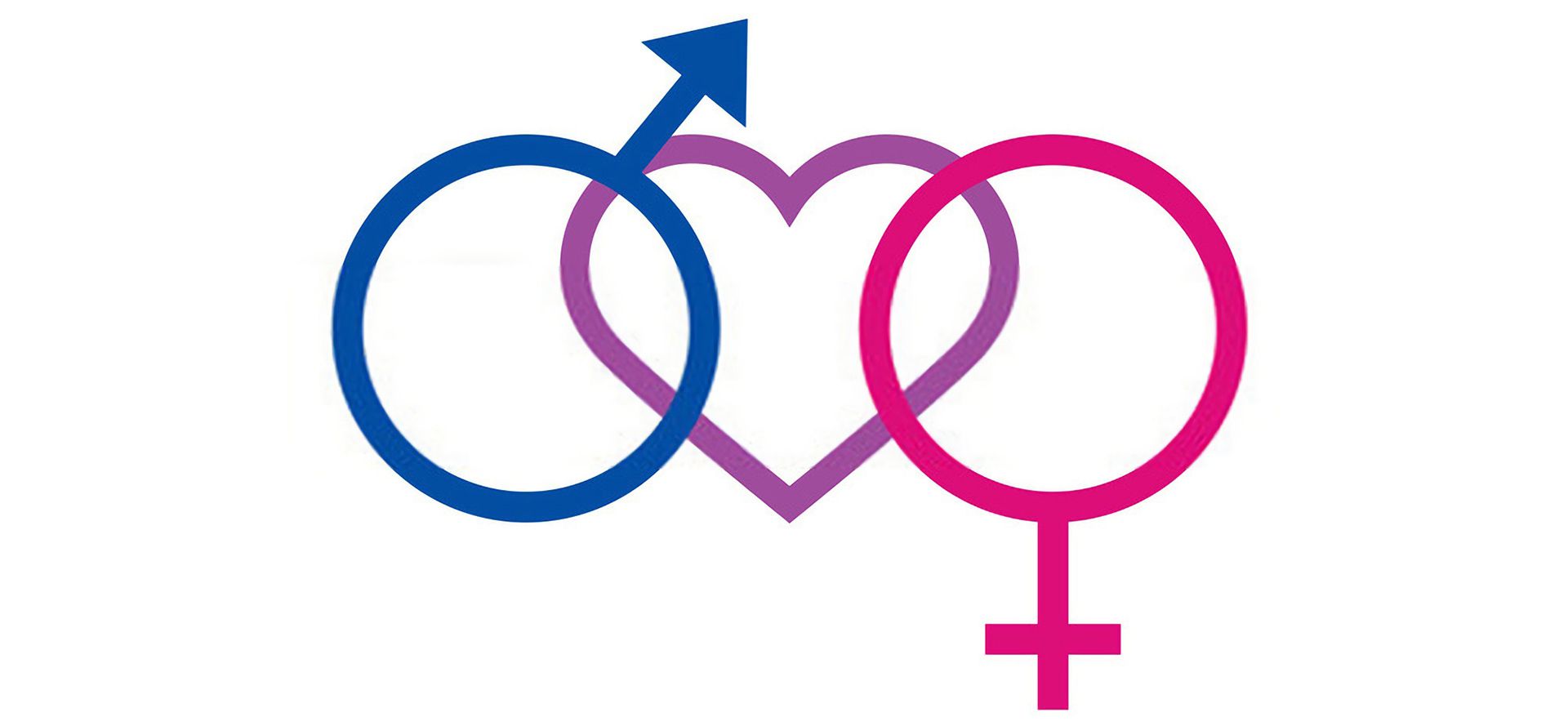
Bisexuality is romantic or sexual attraction to more than one gender. It doesn't require a 50/50 split, a certain number of past partners, or a current relationship to prove it. Below, we sort the myths from the facts about bisexuality, and what all of it means for real dating in 2026.
If you want to start meeting people who get this without a lecture, the recommended sites in our comparison table are a reasonable first stop.
The Common Beliefs Americans Still Hold About Bisexuality

Let's state the common wisdom fairly, because most of it isn't said with cruelty. It's usually repeated by people who've never thought about it very hard.
Belief one: bisexuality is a stopover, not a destination. The idea is that everyone eventually "picks a side," and bi people are still in transit. Belief two: your current partner defines you. Date a woman and you're straight or a lesbian, depending on your own gender — the bi part gets erased the moment you're coupled up.
Belief three: bi men are really gay men easing into it, and bi women are really straight women performing for attention. This one is stubbornly gendered and shows up in dating app messages constantly.
Belief four: the "bi" prefix means exactly two genders, so bisexual people can only be attracted to cisgender men and women. Belief five: bisexual people cheat more, or need a partner of each gender to stay satisfied. Belief six: because bi people can date "either way," they face less discrimination than gay and lesbian people, so they should stop complaining.
If you've heard these your whole life, you may hold one or two yourself without noticing. That's worth checking, whether you're bi or dating someone who is.
Sorting Fact From Fiction On Each Of These Claims
Start with the "phase" idea, since it powers most of the others. Bisexuality has a documented history in American LGBTQ+ organizing — Brenda Howard, often called the Mother of Pride and a key organizer of the first Pride march, was openly bisexual. Bi people didn't appear recently. They were there at the beginning, frequently doing the unglamorous work.
Do some people identify as bi and later use a different label? Yes. Identity language can shift over a lifetime, and that's true across the spectrum, including for people who first identify as straight. A label changing for one person doesn't make it fake for everyone else. Nobody argues that straight identity is a phase because some straight-identified people later come out.
Now the partner myth. This one is simply a category error: attraction and relationship status are two different things. A bi woman married to a man is bi. A bi man in a long-term relationship with a man is bi. Monogamy doesn't delete the parts of you that aren't currently being expressed — nobody assumes a straight man stops being straight when he's single.
On the gendered version of the myth: bi men exist in large numbers, and the pressure telling them otherwise is one reason many stay closeted for years. Bi women, meanwhile, get read as performing. Both stereotypes come from the same assumption — that male desire is the only real desire and female desire exists for an audience. Neither holds up.
The prefix argument falls apart too. In practice, and in how most bi communities define it, bisexuality means attraction to more than one gender, which includes nonbinary, transgender, and cisgender people. Some bi folks are attracted to two specific gender identities. Others to several. Both are bisexual.
Which brings us to the difference between bisexuality and pansexuality, since people ask constantly. The definitions overlap a lot. Generally, bisexual people are attracted to multiple genders, sometimes with preferences or patterns; pansexual people describe attraction where gender isn't really a factor at all. Many people use both words for themselves depending on who's asking. It's not a competition.
What about the cheating claim? There's no credible evidence that bi people are less faithful. Attraction to more than one gender says nothing about your capacity for commitment — plenty of bi people are strictly monogamous, and some prefer an openly negotiated non-monogamous setup, exactly like some straight people do. What matters is the agreement you make and whether you keep it.
The discrimination myth is the one that does the most quiet damage. Research from organizations like the Human Rights Campaign has consistently found bisexual people report worse mental health outcomes and lower rates of being out to the people in their lives than gay and lesbian peers. Being able to "pass" isn't a privilege when it costs you being known.
The Smarter Way To Think About Bisexual Attraction
Here's the shift that makes everything easier: treat bisexuality as a description of your attractions, not a set of requirements you have to satisfy.
That means you don't owe anyone a ratio. You don't need experience with every gender to claim the word — attraction counts even if you've never acted on it. Our team at Lovezoid hears this worry constantly from readers in their twenties and thirties who've only dated one gender so far and feel like frauds. You're not a fraud. You're just early.
It also means you can hold the label loosely without holding it insincerely. Some people say bi for a decade, then switch to queer or pan because it fits better. That's not a confession that you were lying before.
So what does this look like when you're actually dating? Mostly it looks like better screening. If someone responds to your identity with "so you'd cheat, right" or immediately asks whether you'd bring a third into the bedroom, you've learned something valuable in under a minute. That's not a rejection of you — it's information. You can decide separately, and on your own terms, whether a threesome is something you actually want rather than something you're being volunteered for.
And you're allowed to date at whatever intensity suits you. Some bi people come out and want something low-pressure and casual while they figure out what they like. Others want commitment immediately. Both are fine.
Practical Takeaways You Can Use This Week
Start with your own language. Decide, in one sentence, how you'd describe yourself out loud — "I'm bi, I've mostly dated women, I'm open to more" is plenty. Having the sentence ready removes most of the panic from the moment it comes up.
Then think about disclosure as a choice, not a duty. You get to decide who hears it and when. On dating apps, some people put it in the profile to filter early; others bring it up on date two or three. Neither is dishonest. If you're dating someone with a demanding schedule and little privacy — say a partner working brutal hospital hours — timing matters more than speed.
A few things worth doing regardless of where you are in this:
- Correct the erasure gently when you can: "I'm bi, not straight — I just happen to be dating a man right now."
- Watch for partners who treat your identity as a hall pass for jealousy or as a novelty to show off.
- Find at least one person who's also bi to talk to, online or in person. Isolation does more harm than any single bad comment.
- Separate "what I'm attracted to" from "what I want my relationship to look like." Answer them one at a time.
Common mistakes? The big one is auditioning for your own identity — chasing experiences you don't want just to feel legitimate. The second is over-explaining to people who've already shown they're not listening. You don't need to win the argument. You need to be around better people.
Bisexuality isn't a waiting room, a bargaining chip, or a punchline — it's a real and stable orientation that millions of Americans live with every day, including plenty who haven't said it out loud yet. Most of the confusion around it comes from myths that fall apart the second you look at them directly. Take what's useful here, drop the parts that don't fit you, and let the label serve you rather than the reverse. When you're ready to meet people who won't make you defend your existence, the platforms in our comparison table are a solid place to begin.
FAQ
Are bi dating sites full of fake profiles and couples looking for a third?
Some of them are, and it's the single biggest complaint bi users have. On smaller specialized platforms you'll see recycled photos, blank profiles that message instantly with an off-site link, and a lot of "couple" accounts fishing for unicorns even in the singles section. Filter hard, ignore anyone who pushes you to another app in the first three messages, and state your boundaries in your bio — it cuts the noise significantly.
Do I have to be equally attracted to men and women to call myself bisexual?
No. Bisexuality means attraction to more than one gender, not a 50/50 split, and most bi people report a lean that can shift over the years. You also don't need experience with every gender to claim the label — attraction is enough. Your dating history doesn't have to "prove" anything to anyone, including a match who questions it.
Is it worth paying for a niche bi or LGBTQ+ platform when mainstream apps have bi options?
It depends on where you live. In big U.S. metros, mainstream apps have enough bi and queer users that a free account usually works fine. In smaller cities and rural areas, niche sites — typically $15–$35 a month, cheaper on 3–6 month plans — often have a more receptive crowd and fewer people who treat "bisexual" as a red flag. Try the free tier for two weeks before paying anything.
How do I handle biphobia from people I match with?
Expect it and screen for it early rather than trying to educate someone mid-date. Common lines include "so you'll cheat," "it's just a phase," or from queer women, "I don't date bi girls." A short question like "how do you feel about dating someone bisexual?" in early chat saves hours, and anyone who reacts badly has told you everything you need to know.
Can I date discreetly if I'm not out to family or coworkers in the USA?
Yes, but you need to manage visibility deliberately. Use photos you've never posted on social media (reverse image search connects accounts fast), skip your employer name, turn off any "share to social" or contact-sync features, and check whether the platform offers incognito or hidden-profile modes. Also remember your legal protections vary by state, so if outing at work is a real risk, keep your dating profile and professional identity completely separate.